Before you treat: is this actually a bacterial infection?
Antibiotics only help true bacterial infections. A quick check first:
- Test your water first. Ammonia, nitrite, and nitrate problems cause most illness. Bad water is the #1 cause of fin rot, dropsy, and stress, and no antibiotic fixes water.
- Rule out parasites. White spots (ich) and a dusty velvet sheen are parasites; antibiotics do nothing for them.
- Use a hospital tank, never dose your main tank. Antibiotics kill the good bacteria in your filter, which spikes ammonia and can harm every fish.
- Remove activated carbon before dosing. Carbon pulls doxycycline out of the water and makes the dose much weaker.
What fish doxy (doxycycline) is
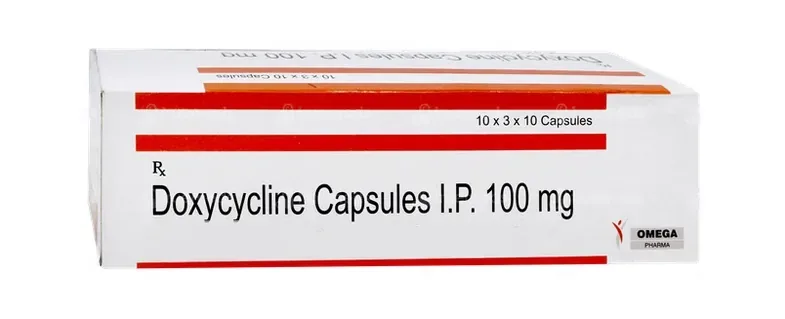
Fish doxy is the common name for doxycycline sold for aquarium fish, and you will also see it listed as fish doxycycline or simply doxycycline for fish. As a tetracycline, it is broad-spectrum and active against many gram-negative bacteria. The molecule is the same one, manufactured and labeled specifically for ornamental fish.
We are a licensed pharmacy with a veterinarian on staff. Our job is to sell you the right treatment, and to help you use doxycycline for the right reason. A vet confirms the cause and the dose. That care is the whole point.
| Active ingredient | Doxycycline (as hyclate) |
|---|---|
| Strength | 100 mg per capsule |
| Also sold as | Fish doxycycline, Aqua Doxy, Bird Biotic (same drug) |
| Drug class | Tetracycline |
| Form | Capsules sealed in blister packs, open for tank dosing |
| Intended use | Ornamental / aquarium fish only |
| Availability | Prescription required; included with your order. Aquarium use only, not for human consumption. |
| Delivery to | All 50 US states, contact us for other countries |
Why blister packs, not a bottle
Each capsule is sealed in its own aluminum foil pocket, backed by foil on both sides. That keeps every dose away from moisture and light until you use it. This matters for doxycycline, which is sensitive to light and moisture.
A bottle is different. Every time you open it, the capsules still inside meet air, light, and humidity again. Sealed pockets also make tampering easy to see, and U.S. regulators count blister packs as tamper-evident. Blister packs cost us more than bulk bottles. The protection is worth it.
What it treats, and what it doesn’t
Where doxycycline can help
Doxycycline is a broad-spectrum tetracycline with useful activity against many gram-negative bacteria.1 Those are the bacteria behind many of the worst aquarium infections, Aeromonas among them, which drive ulcers, fin rot, and the kind of body swelling people call dropsy.2 When a fish vet confirms a susceptible infection, doxycycline is often an effective option, because it blocks the bacteria from making the proteins they need to grow.3 The drug and dose remain the vet’s decision, guided by testing.
Where it’s the wrong choice
Doxycycline doesn’t treat viral, fungal, or parasitic problems. Tetracycline resistance is common, so a vet should confirm the cause and, where possible, test which antibiotic fits, rather than starting a broad-spectrum drug on a guess.3 In very hard water, doxycycline can bind to calcium and lose potency, which is one more reason to let a vet set the approach.
Take care with your tank: like most antibiotics, doxycycline can harm the good bacteria in your filter, so watch your water closely during treatment. Remove activated carbon first, because it pulls the medicine out of the water. And a fish vet should confirm the cause before you treat.
Fish doxy strengths and label rates by tank volume
Fish doxy is sold as doxycycline 100 mg capsules. The quick-reference below scales a common manufacturer’s label rate from the manufacturer's label to typical tank sizes. It is the label rate for planning, not a prescription. Your fish veterinarian sets the actual dose, frequency, and duration.
| Tank volume | Label rate (doxycycline) | 100 mg capsules |
|---|---|---|
| 10 gallons (38 L) | 100 mg | 1 |
| 20 gallons (76 L) | 200 mg | 2 |
| 40 gallons (151 L) | 400 mg | 4 |
| 60 gallons (227 L) | 600 mg | 6 |
Dose by the water volume of your hospital or quarantine tank, not by the number of fish, and pre-dissolve each capsule. The bottle label and your aquatic veterinarian always take priority over this quick reference. Remove activated carbon before dosing, and in hard water ask your vet, as doxycycline can bind to calcium.
⚠ Important safety notes
- For aquarium fish only. Humans should not take it. Never take fish antibiotics yourself.
- Never dose your display tank. It can crash your biofilter and harm every fish — use a hospital tank.
- Remove activated carbon first. Carbon pulls doxycycline out of the water and makes the dose much weaker.
Cost & how to get it
The prescription is written as part of your order, with no separate consultation fee. The value here is the veterinary review and honest routing: if doxycycline is not the right choice for your fish, we will tell you, and we won’t fill it.
| Pack size (100 mg) | Price | Per capsule |
|---|---|---|
| 30 capsules | $39.99 | $1.33 |
| 100 capsules MOST POPULAR | $69.99 | $0.70 |
| 250 capsules BEST VALUE | $149.99 | $0.60 |
How your order is reviewed and shipped
Place the order for the quantity you need. Instead of a public cart-and-pay step, our pharmacy emails you to confirm your delivery address and send a secure payment link. Nothing ships until that review is complete. That review is how our pharmacy keeps eyes on every order and confirms it is intended for appropriate aquarium use. We email you at each step: once you place your order and send the form, our vet reviews it, a payment link goes out, your payment is confirmed, the order moves into processing, and a tracking link follows a few to several days later, so you never have to sit and refresh a page.
Related guides
Frequently asked questions about fish doxy
What does fish doxy treat in fish?
Doxycycline is a broad-spectrum tetracycline that works against many gram-negative bacteria such as Aeromonas, behind many ulcers, fin rot, and dropsy-type cases. A fish vet should confirm the cause and choose the drug and dose, ideally guided by testing.
Is fish doxy the same as human doxycycline?
The active ingredient is the same molecule, but this product is manufactured, labeled, and sold for ornamental aquarium fish only, and isn’t intended or approved for human use.
Is fish doxy safe for humans?
No. Use it for ornamental aquarium fish only, never for people. If you need antibiotics for a person, see a doctor or pharmacist. You can read our guidance on this.
Do I need a prescription?
Yes — but you don’t have to arrange it yourself; a vet writes it as part of your order. After you place an order, our pharmacy confirms your delivery details and sends a secure payment link before anything ships.
Should I remove carbon from my filter?
Yes. Activated carbon absorbs the medicine and makes it much weaker. Remove it before treating, and ask a fish vet about protecting your filter’s good bacteria.
Does fish doxy come in different strengths?
Fish doxy is sold as 100 mg doxycycline capsules. Match the amount to your hospital-tank water volume using the label-rate table above, and let your aquatic vet confirm the dose.
Medical disclaimer
This site is for informational purposes only and is not veterinary advice, diagnosis, or a treatment recommendation. A licensed veterinarian should determine medication selection, prescribing, dosing, and treatment for the individual animal. Never give a dog or cat antibiotics intended for aquarium fish or another species; the wrong drug or dose can seriously harm your pet. All medications sold on this site are for animal use only and are not intended for human use or consumption.
How we reviewed this page
This product page is prepared under veterinary oversight following our editorial standards. The clinical statements — what doxycycline treats and where it’s not the right choice — are checked against aquatic-veterinary references and reviewed and approved by our named fish veterinarian, Dr. Julia Bauer, before publication.
Sources & References
- Merck Veterinary Manual, "Bacterial Diseases of Fish." merckvetmanual.com (2024) Supports: gram-negative etiology of common fish infections; sensitivity-guided drug selection.
- MSU / SRAC Publication 478, "Aeromonas Bacterial Infections, Motile Aeromonad Septicemia." srac.msstate.edu (1998) Supports: aeromonads are gram-negative; exophthalmia and related signs.
- Merck Veterinary Manual, "Antibacterial Agents (Overview of Antimicrobial Therapy)." merckvetmanual.com (2024) Supports: matching drug spectrum to the confirmed pathogen; targeted vs broad choices; tetracycline resistance.