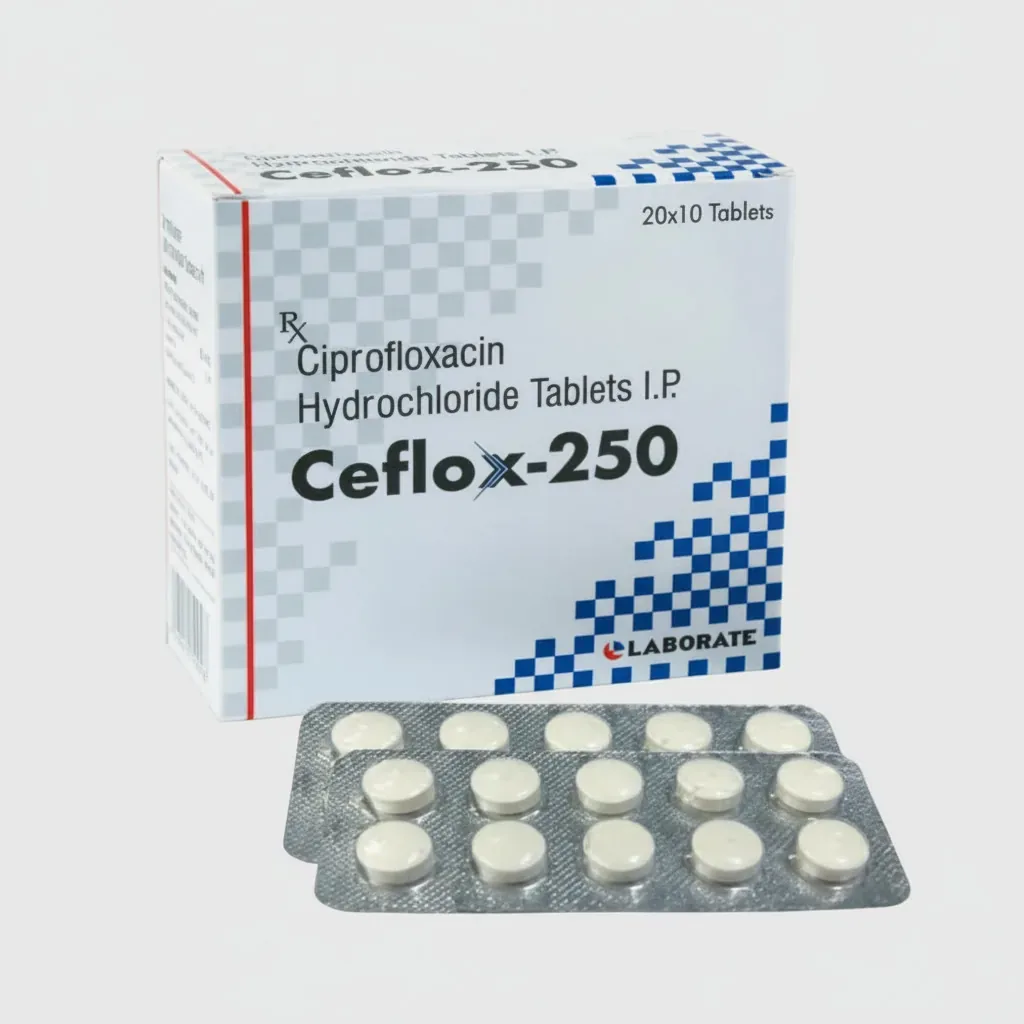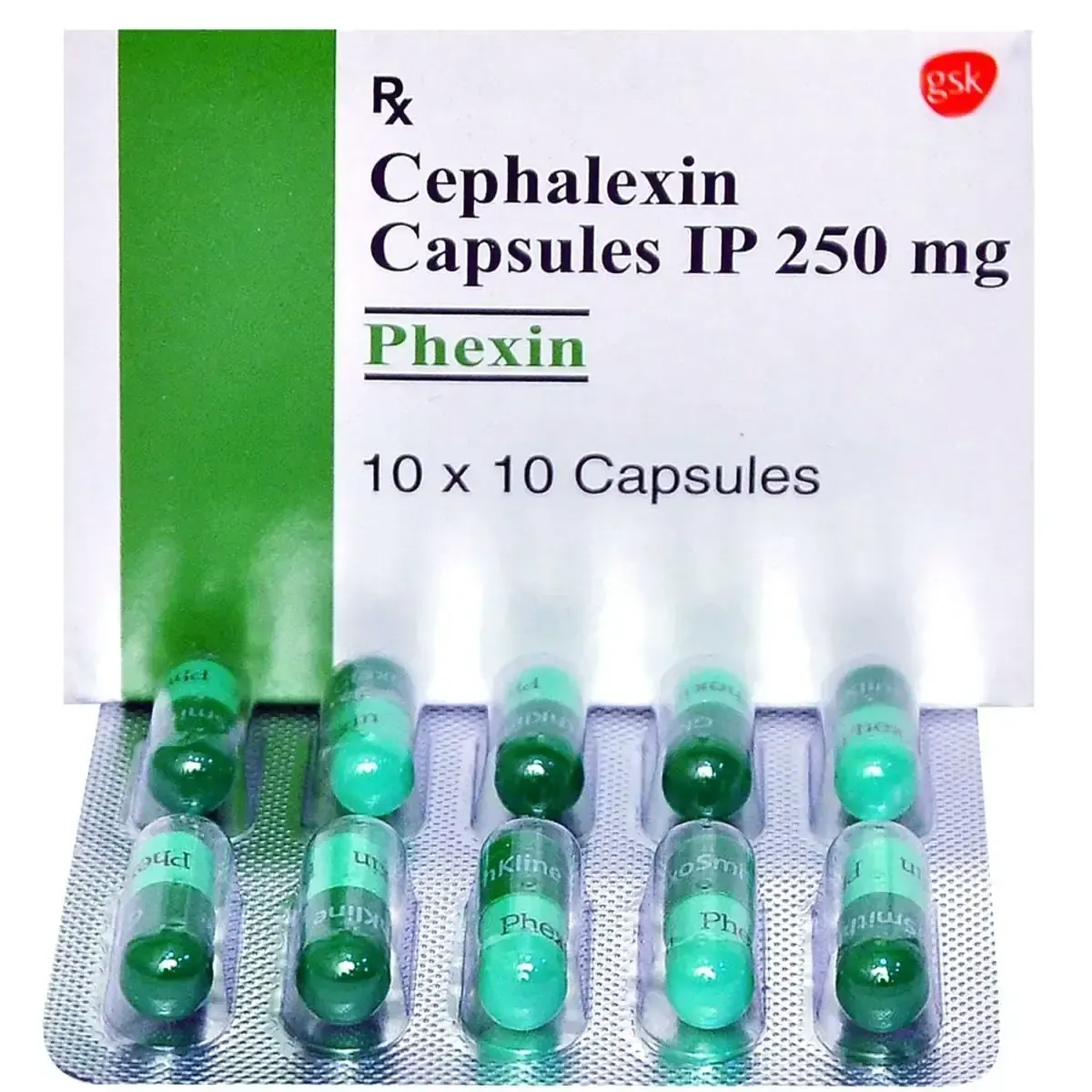
Before you treat: is this actually a bacterial infection?
Antibiotics only help true bacterial infections. A quick check first:
- Test your water first. Ammonia, nitrite, and nitrate problems cause most illness. Bad water is the #1 cause of fin rot, dropsy, and stress, and no antibiotic fixes water.
- Rule out parasites. White spots (ich) and a dusty velvet sheen are parasites; antibiotics do nothing for them.
- Use a hospital tank, never dose your main tank. Antibiotics kill the good bacteria in your filter, which spikes ammonia and can harm every fish.
- Confirm the infection type before choosing amoxicillin. Dropsy, popeye, and many ulcers are gram-negative, which amoxicillin matches poorly. Our vet helps match the drug to the actual cause.
What Fish Mox (amoxicillin) is
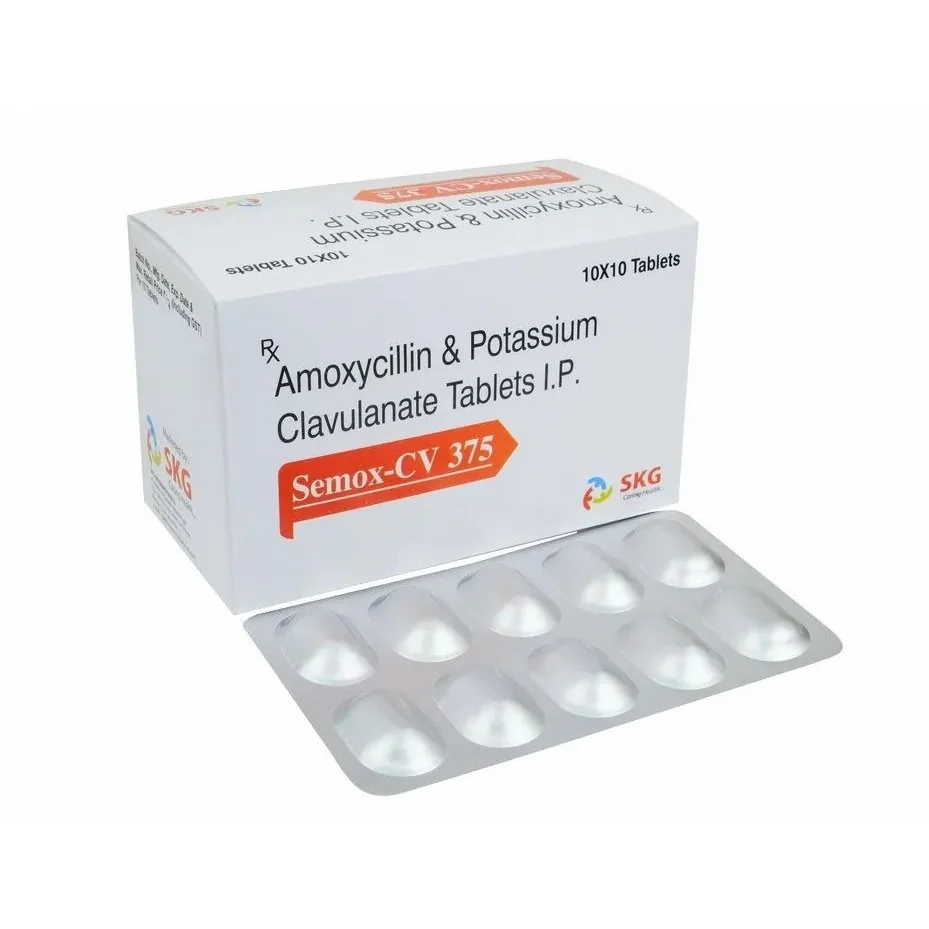
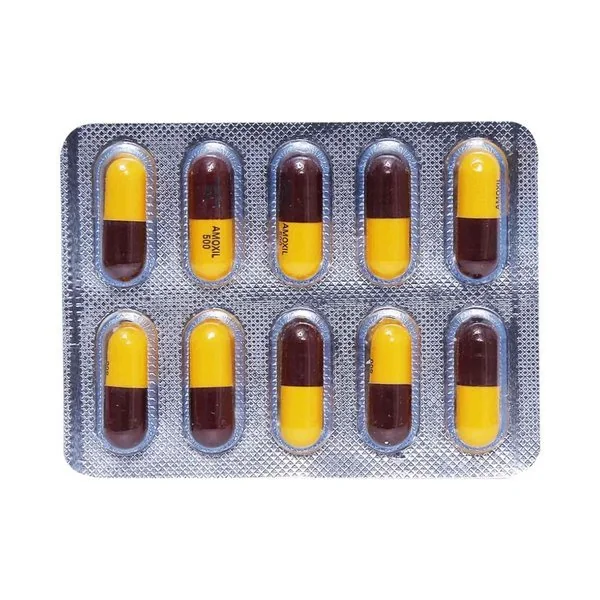
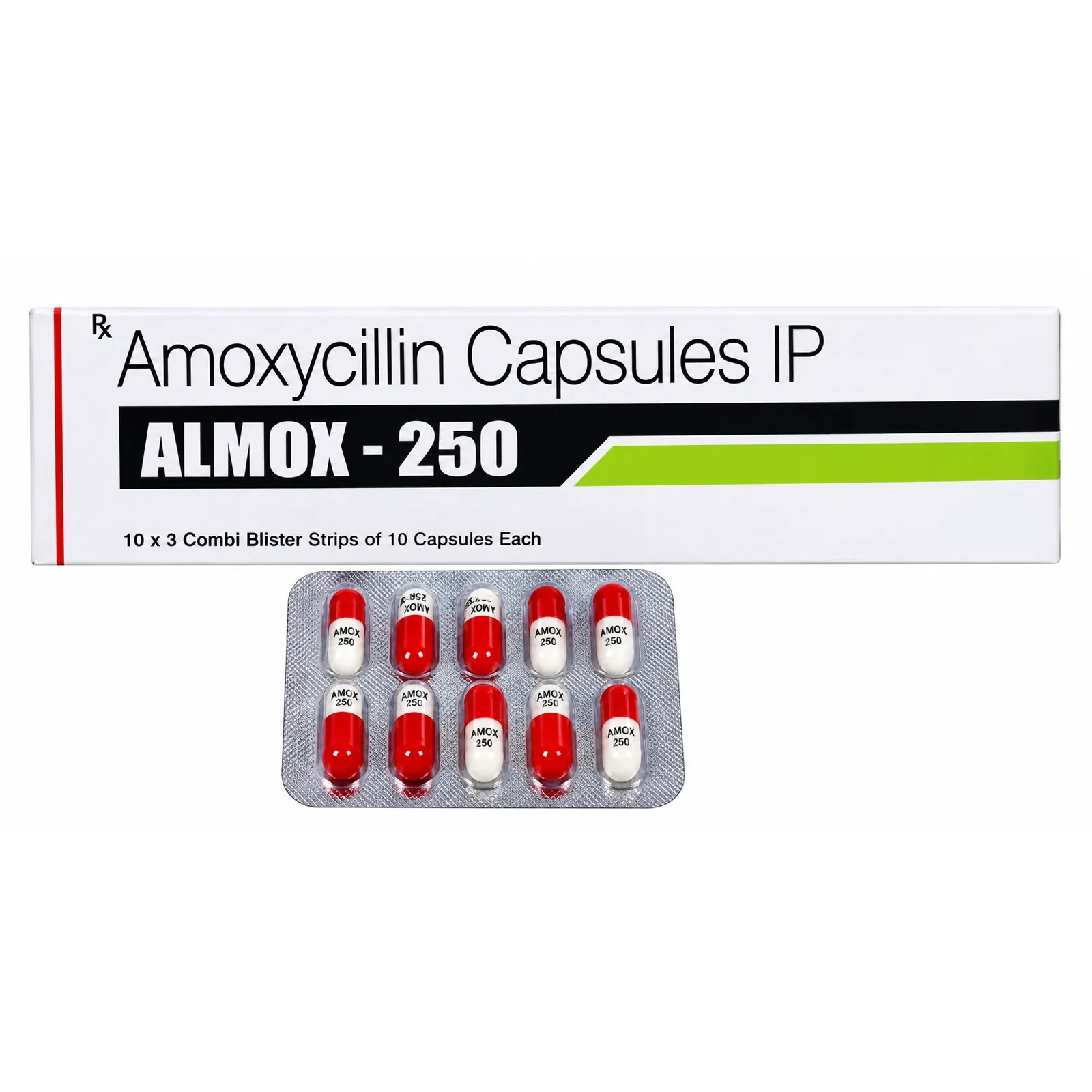
Fish Mox is the common name for amoxicillin sold for aquarium fish. Amoxicillin is an aminopenicillin, a broad, widely used antibiotic that physicians and veterinarians both prescribe. The molecule is the same one, manufactured and labeled specifically for ornamental fish.
We are a licensed veterinary pharmacy. Our job is to sell you the right treatment, and to tell you plainly when amoxicillin is the wrong choice for your fish. That candor is the whole point.
| Active ingredient | Amoxicillin trihydrate |
|---|---|
| Strength | 250 mg or 500 mg (Forte) per capsule |
| Also sold as | Fishbiotics amoxicillin |
| Drug class | Aminopenicillin (beta-lactam) |
| Form | Capsules sealed in blister packs, open for tank dosing |
| Intended use | Ornamental / aquarium fish only |
| Availability | Prescription for aquarium use only, not for human consumption |
| Delivery to | All 50 US states, contact us for other countries |
Fish amoxicillin 500 mg and 250 mg: dosage is your vet's call, not ours
Dosing aquarium antibiotics depends on your true water volume, the confirmed infection, and the species in your tank, so we don't publish a one-size chart. Our licensed veterinarian sets the dose when reviewing your order. Not sure of your tank size? Use our aquarium tank volume calculator to get the true water volume first, that is what any dose is based on.
What to watch for in the tank
Antibiotics can disrupt the beneficial bacteria in your biological filter, which may spike ammonia and stress your fish. Treat in a separate hospital tank when possible, monitor water parameters daily, and do the water changes your vet recommends between doses. Stop and reassess if fish worsen, it may be the wrong drug for the actual problem.
⚠ Important safety notes
- For aquarium fish only. Humans should not take it. Never take fish antibiotics yourself.
- Never dose your display tank. It can crash your biofilter and harm every fish, use a hospital tank.
- Wrong drug, wasted time. Gram-negative infections (dropsy, popeye) need a different antibiotic; our vet will tell you if amoxicillin doesn't fit.
Cost & how to get it
The prescription is written as part of your order, with no separate consultation fee. The value here is the veterinary review and honest routing: if amoxicillin is not the right choice for your fish, we will tell you, and we won't fill it.
| Pack size | 250 & 500 mg (Forte) | Per capsule |
|---|---|---|
| 30 capsules | $29.99 | $1.00 |
| 100 capsules | $54.99 | $0.55 |
| 250 capsules MOST POPULAR | $119.99 | $0.48 |
| 500 capsules BEST VALUE | $211.99 | $0.42 |
250 mg and 500 mg Forte are priced the same — your vet sets the strength your fish needs.
Fish Mox Forte (500 mg) is priced the same as the 250 mg at every pack size — the stronger tablet, no extra cost.
Related guides
Frequently asked questions about Fish Mox (amoxicillin for fish)
Do I need a prescription?
Yes. Aquarium antibiotics require a veterinary prescription. You don't have to arrange one yourself; it is included with your order at no separate cost.
Is Fish Mox the same as fishbiotics amoxicillin?
Yes, the active ingredient is the same amoxicillin. The same product is sold under several names, including fishbiotics amoxicillin, aqua mox, and the 500 mg version often listed as fish mox forte. If you have searched "fish mox amazon," note that amoxicillin is a prescription medication; the prescription is written as part of your order. The label covers ornamental aquarium fish only.
Is fish amoxicillin the same as Fish Mox?
Yes. Fish amoxicillin and Fish Mox are two names for the same medication, amoxicillin labeled for aquarium fish. It comes as fish amoxicillin 250 mg and fish amoxicillin 500 mg (Forte); a licensed vet confirms which strength fits your tank and the confirmed infection.
Is it safe for humans?
No. Use it for aquarium fish only, never for people. Anyone who needs antibiotics for a person should see a doctor.
Can I use fish mox for dogs or cats?
No — fish amoxicillin is labeled for aquarium fish and is not dosed for dogs or cats, so searching "fish mox for dogs" and giving this to a pet is not safe. Dogs and cats that need amoxicillin should use our amoxicillin for dogs and cats page, where the prescription is written as part of your order, so you don't have to arrange it yourself.
Will it harm my tank's filter?
It can. Antibiotics affect the beneficial bacteria in your biological filter, which is why treating in a separate hospital tank is safest.
Medical disclaimer
This site is for informational purposes only and is not veterinary advice, diagnosis, or a treatment recommendation. A licensed veterinarian should determine medication selection, prescribing, dosing, and treatment for the individual animal. Never give a dog or cat antibiotics intended for aquarium fish or another species; the wrong drug or dose can seriously harm your pet. All medications sold on this site are for animal use only and are not intended for human use or consumption.
Sources & References
- Merck Veterinary Manual, "Bacterial Diseases of Fish." merckvetmanual.com (2024) Supports: gram-negative etiology of common fish infections; sensitivity-guided drug selection.
- MSU / SRAC Publication 478, "Aeromonas Bacterial Infections, Motile Aeromonad Septicemia." srac.msstate.edu (1998) Supports: aeromonads are gram-negative; exophthalmia and related signs.
- Kim et al., NCBI PMC12024054 (2025) Supports: amoxicillin is an aminopenicillin derived from penicillin.