Before you treat: is this actually an internal-parasite or anaerobic problem?
Metronidazole is a targeted drug, not a catch-all. A quick check first:
- Test your water first. Ammonia, nitrite, and nitrate problems cause most illness, and no antibiotic fixes bad water.
- Match the signs to the drug. Appetite loss, weight loss, and white stringy feces in cichlids or discus point toward Hexamita, where metronidazole fits; ulcers and body swelling usually do not.
- Remove activated carbon before dosing. Carbon absorbs the medicine and quietly pulls it out of the water.
- Treat in a hospital tank when you can. Keep the dose away from shrimp, snails, and corals, and monitor water quality throughout.
What fish zole is
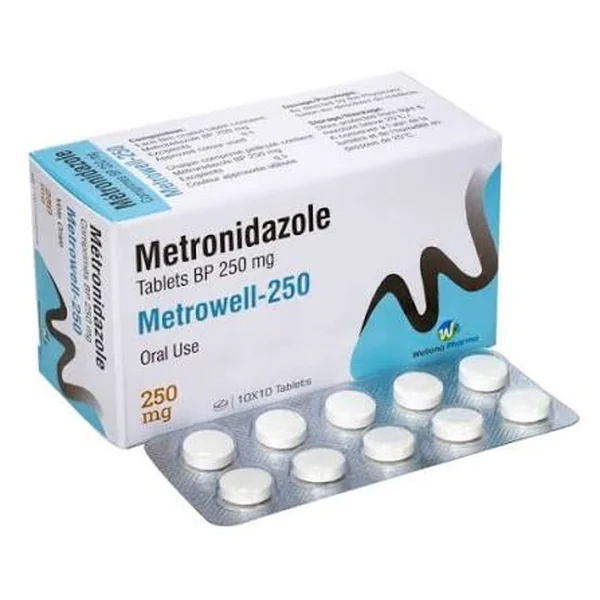
Fish zole is the common name for metronidazole sold for aquarium fish. Metronidazole is a nitroimidazole, both an antiprotozoal and an antibiotic against anaerobic bacteria. It works by disrupting the DNA of protozoan parasites and oxygen-avoiding bacteria. This product is the same molecule, manufactured and labeled specifically for ornamental fish.
Our job is to sell you the right treatment, and to help you use metronidazole for the right reason. A vet confirms the cause and the dose. That care is the whole point.
| Active ingredient | Metronidazole |
|---|---|
| Strength | 250 mg or 500 mg (Forte) per tablet |
| Also sold as | Fish Zole, Fish Zole Forte, Aqua Zole (same molecule as human Flagyl) |
| Drug class | Nitroimidazole (antiprotozoal / anaerobic antibiotic) |
| Form | Tablets sealed in blister packs, open for tank dosing |
| Intended use | Ornamental / aquarium fish only |
| Availability | Prescription for aquarium use only, not for human consumption |
| Delivery to | All 50 US states & Canada; other countries, contact us |
What it treats, and what it doesn't
Where metronidazole can help
Metronidazole for fish is the go-to for internal parasites. The protozoan flagellates Hexamita and Spironucleus.1 These are behind hole-in-the-head disease and Malawi bloat, most often in cichlids and discus, though keepers also reach for fish metronidazole for bettas and other tropicals, with signs like appetite loss, weight loss, and white stringy feces.2 It also treats anaerobic bacterial infections. The kind that thrive without oxygen.1 When a vet confirms one of these, metronidazole can be an effective choice. The drug and dose remain the vet's decision.
Where it's the wrong choice
Metronidazole isn't a general-purpose antibiotic. It doesn't cover most gram-negative infections. The ulcers, fin rot, and body swelling behind dropsy and popeye usually need a different drug, such as a fluoroquinolone or aminoglycoside.1 Using metronidazole for the wrong problem wastes time a sick fish may not have. A vet should confirm the cause, and where possible test, rather than guessing.
Mind your tank while you treat: pull the activated carbon first since it absorbs the medicine, dose in a hospital tank away from shrimp, snails, and corals, and keep an eye on water quality. A fish vet should confirm the cause before you reach for metronidazole.
Fish zole strengths
Fish zole is sold as metronidazole tablets in a 250 mg option and a 500 mg "Forte" option. The same product shows up as Fish Zole, Fish Zole Forte, or Aqua Zole, and it is the same molecule as human Flagyl. Dose against the manufacturer's label rate printed on the pack, and treat the pack's label rate as a planning starting point, not a prescription. For internal parasites like Hexamita, vets often prefer medicated food over in-tank dosing, since the fish has to take the drug internally. Your fish veterinarian sets the actual route, dose, and duration.
Dose by the water volume of your hospital or quarantine tank, not by the number of fish, and follow the pack label for the rate. For internal-parasite cases the in-food route often works better than in-tank dosing, so ask your aquatic vet which fits. The pack label and your veterinarian always take priority.
What the pack label says
These figures are printed on the manufacturer's pack label. They are a planning reference, not a prescription. Your fish veterinarian sets the actual dose, route, and duration for your tank and species.
| Tablet strength / count | Treats (per label) |
|---|---|
| 1 × 250 mg tablet | ~10 gallons |
| 2 × 250 mg (or 1 × 500 mg) | ~20 gallons |
| 4 × 250 mg (or 2 × 500 mg) | ~40 gallons |
| 6 × 250 mg (or 3 × 500 mg) | ~60 gallons |
Label rate shown for planning only. Confirm the rate against the pack in your hands, and let your veterinarian set the actual dose.
Not sure of your tank size? Use our free aquarium tank volume calculator to get the true water volume first, since any dose is based on it.
Cost & how to get it
| Pack size | 250 mg | 500 mg (Forte) |
|---|---|---|
| 30 tablets | $44.99 · $1.50/tab | $58.99 · $1.97/tab |
| 100 tablets MOST POPULAR | $84.99 · $0.85/tab | $109.99 · $1.10/tab |
| 250 tablets BEST VALUE | $179.99 · $0.72/tab | $233.99 · $0.94/tab |
Not for human use. This product is for aquarium fish only. It isn't approved for people. Want to know whether fish antibiotics are safe for humans? Please read our guidance, then talk to a doctor. Do not take this product.
What to watch for in the tank
Antibiotics can knock back the beneficial bacteria in your biological filter, which may spike ammonia and stress your fish. Dose in a separate hospital tank when you can, check water parameters daily, and run the water changes your vet recommends between doses. Stop and reassess if your fish get worse; that can be a sign the drug doesn't match the actual problem.
⚠ Important safety notes
- For aquarium fish only. People should never take it. Don't dose yourself with fish antibiotics.
- Pull the carbon, use a hospital tank. Activated carbon strips the medicine out of the water, and dosing a display tank can crash your biofilter.
- Wrong drug, wasted time. Dropsy and popeye are usually gram-negative and need a different antibiotic; our vet will tell you when metronidazole doesn't fit.
How your order is reviewed and shipped
Pick the strength and pack you need, then place your order. There is no public cart-to-card step. Our pharmacy emails you to confirm your delivery address, a qualified team member reviews the order for appropriate aquarium use, and a vet approves it. A team member reviews your order within about 30 minutes during staffed hours (8am–10pm ET); once approved, we send a secure payment link, and you pay only if you approve the link. After payment clears, approved orders are prepared and shipped with tracked delivery, typically arriving in 10–14+ days, and we email a tracking link when it ships. You hear from us at each step, so you never have to sit and refresh a page.
GETTING THE MOST FROM AN ANTIBIOTIC
Antibiotics work on bacterial infections, not viruses, so the first step is simply confirming that's what your fish has. That is what the vet review here is for: matching the right drug to the actual problem, at the right dose. Metronidazole, remember, targets protozoa and anaerobes, not every bug in the tank.
When a course is prescribed, giving all of it as directed, rather than stopping early once your fish looks better, is what fully clears the infection and keeps the medicine working for next time. You clearly want to do right by your fish; this is the way to get the best result from the treatment.
Consistent with WHO and CDC guidance on responsible antibiotic use.
Frequently asked questions about fish zole
What does fish zole (metronidazole) treat?
Fish zole is fish metronidazole, used mainly for internal parasites, Hexamita and Spironucleus, behind hole-in-the-head disease and Malawi bloat, plus anaerobic bacterial infections. A fish vet should confirm the cause and choose the drug and dose.
Is metronidazole good for hole-in-the-head or bloat?
Yes, these are classic metronidazole indications, most common in cichlids and discus. Since carbon absorbs the medicine, remove it before dosing, and treat in a hospital tank when you can.
Will fish zole treat dropsy or popeye?
Usually not. Dropsy and popeye are most often gram-negative infections, which metronidazole doesn't cover well, so those typically need a different drug. See our dropsy and popeye guides, and ask a vet.
Is fish zole safe for humans?
No. This product is for ornamental aquarium fish only and isn't for human use. Anyone who needs antibiotics for a person should see a doctor or pharmacist. You can read our guidance on this.
Do I need a prescription?
Aquarium antibiotics require a veterinary prescription, and it is included with your order at no separate cost. After you place an order, our pharmacy confirms your delivery details and sends a secure payment link before anything ships.
Is fish zole the same as Fish Zole Forte, Aqua Zole, or Flagyl?
Same active drug, metronidazole. Fish Zole is the 250 mg tablet and Fish Zole Forte is the 500 mg version; Aqua Zole is another aquarium metronidazole brand; Flagyl is the human brand name for the same molecule. This product is labeled for aquarium fish only. Dose from the label on the bottle you have.
Does fish zole come in 250 mg and 500 mg?
Yes, metronidazole for fish is sold as 250 mg (standard) and 500 mg (Forte) tablets. For internal parasites, ask your vet whether medicated food is a better route than in-tank dosing.
Can you buy metronidazole for fish at big-box or farm-supply stores?
General retailers don't reliably carry metronidazole for fish. A dedicated veterinary pharmacy is the more reliable route, with clear strength labels and fresh stock. Order it here and our pharmacy confirms the details before it ships.
Related guides
How we reviewed this page
This product page is prepared under veterinary oversight following our editorial standards. The clinical statements, what metronidazole treats and where it's not the right choice, are checked against aquatic-veterinary references and reviewed and approved by our named fish veterinarian, Dr. Julia Bauer, before publication.
Medical disclaimer
This site is for informational purposes only and is not veterinary advice, diagnosis, or a treatment recommendation. A licensed veterinarian should determine medication selection, prescribing, dosing, and treatment for the individual animal. Never give a dog, cat, or person antibiotics intended for aquarium fish; the wrong drug or dose can cause serious harm. All medications sold on this site are for animal use only and are not intended for human use or consumption.
Sources & References
- Merck Veterinary Manual, "Bacterial Diseases of Fish." merckvetmanual.com (2024) Supports: gram-negative etiology of common fish infections; sensitivity-guided drug selection.
- MSU / SRAC Publication 478, "Aeromonas Bacterial Infections, Motile Aeromonad Septicemia." srac.msstate.edu (1998) Supports: aeromonads are gram-negative; exophthalmia and related signs.