Aquarium fish antibiotics
Penicillin for Fish: Fish Pen Tablets (250 & 500 mg)
A licensed, vet-staffed pharmacy dispenses this penicillin for fish, sold as Fish Pen. And gives you the safety guidance repackagers skip. A gram-positive antibiotic for ornamental fish. Intended for aquarium fish only, not for human use.
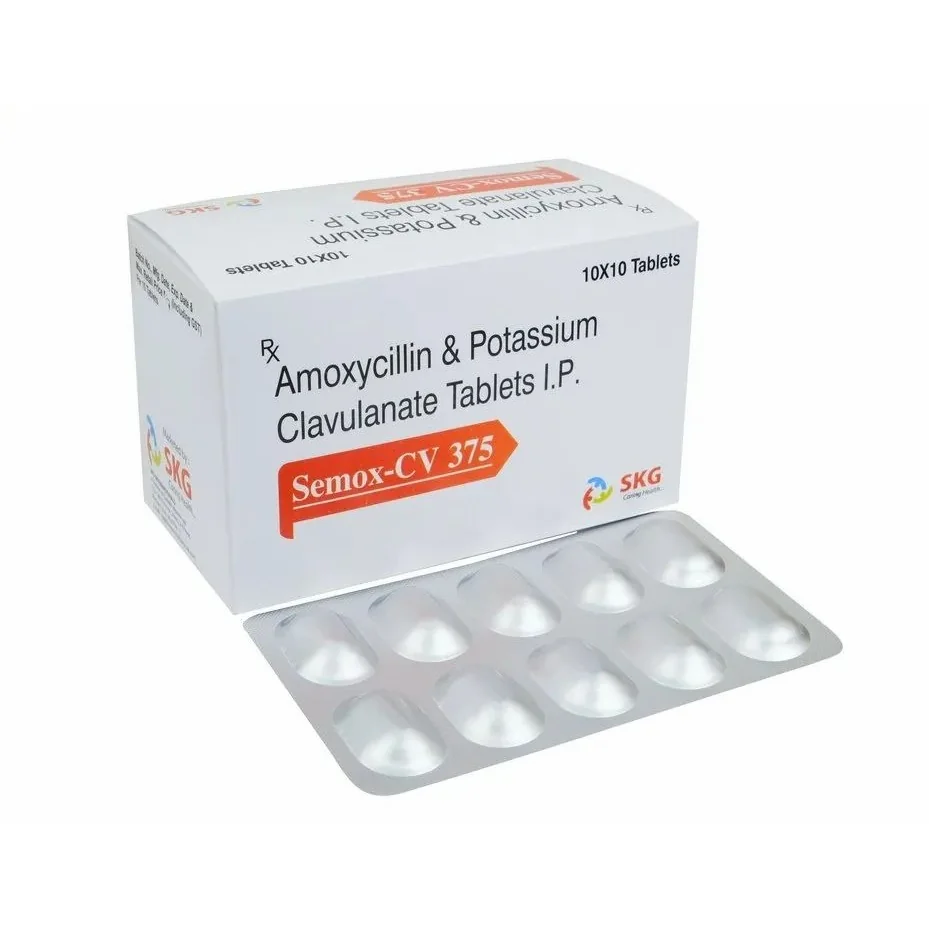
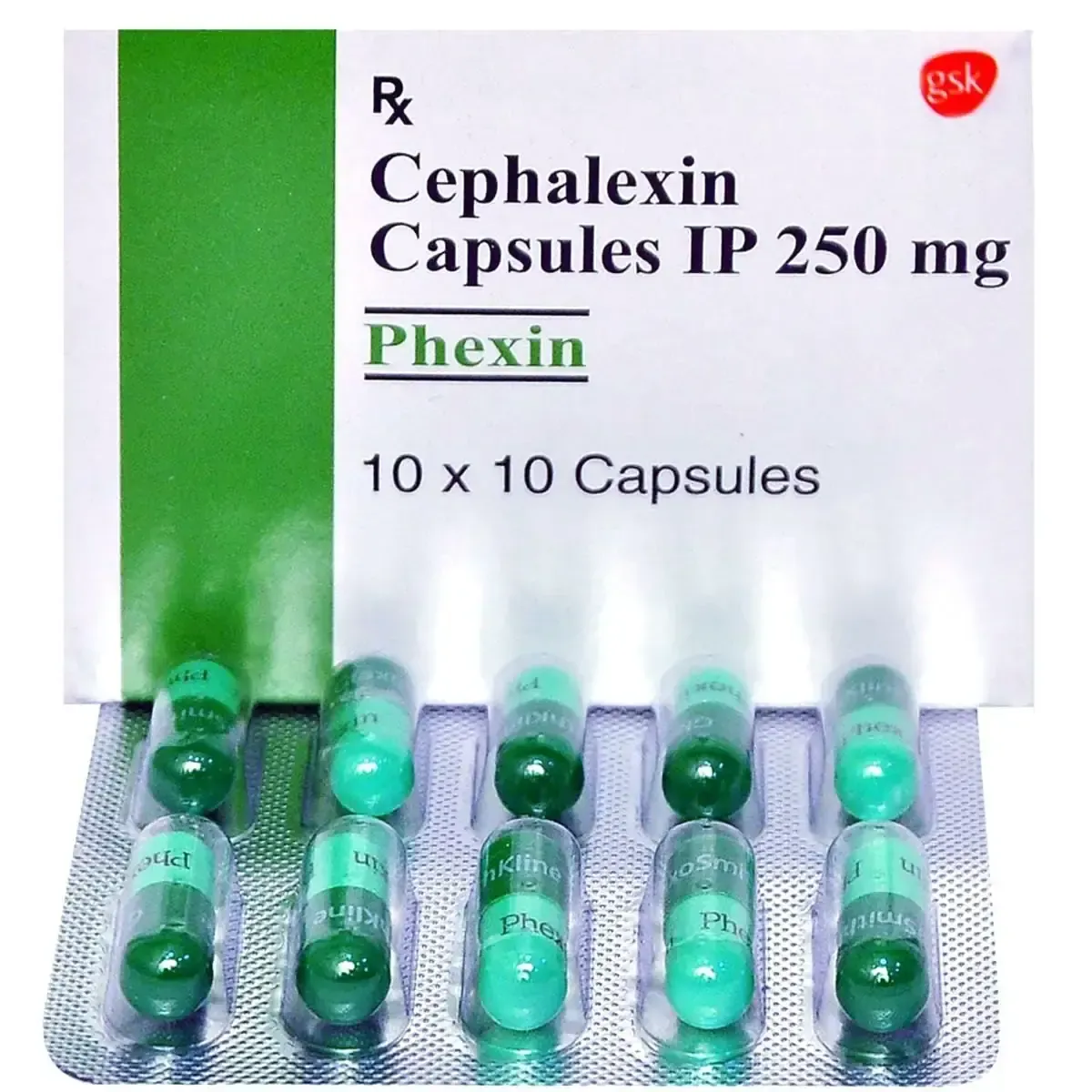
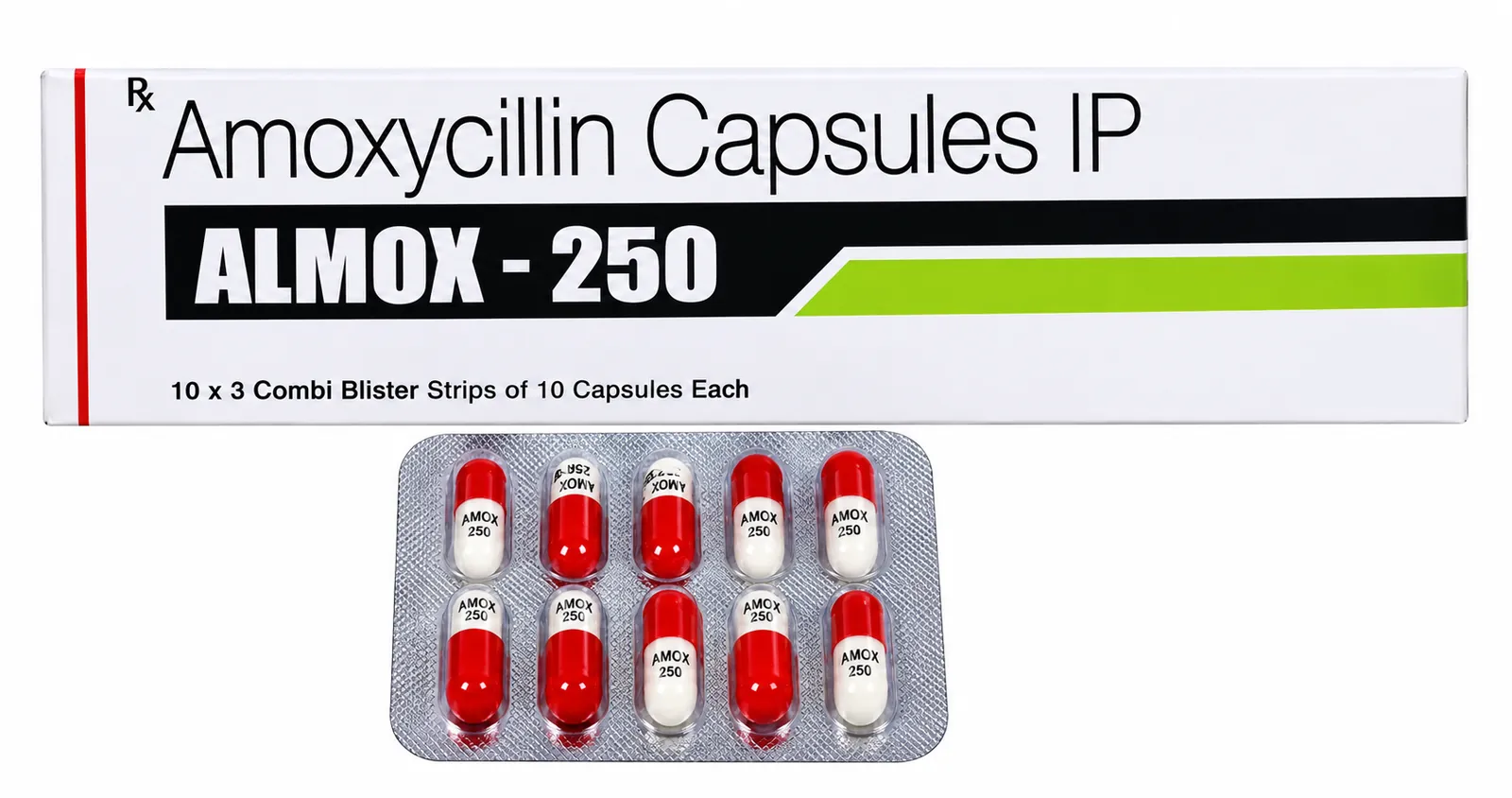
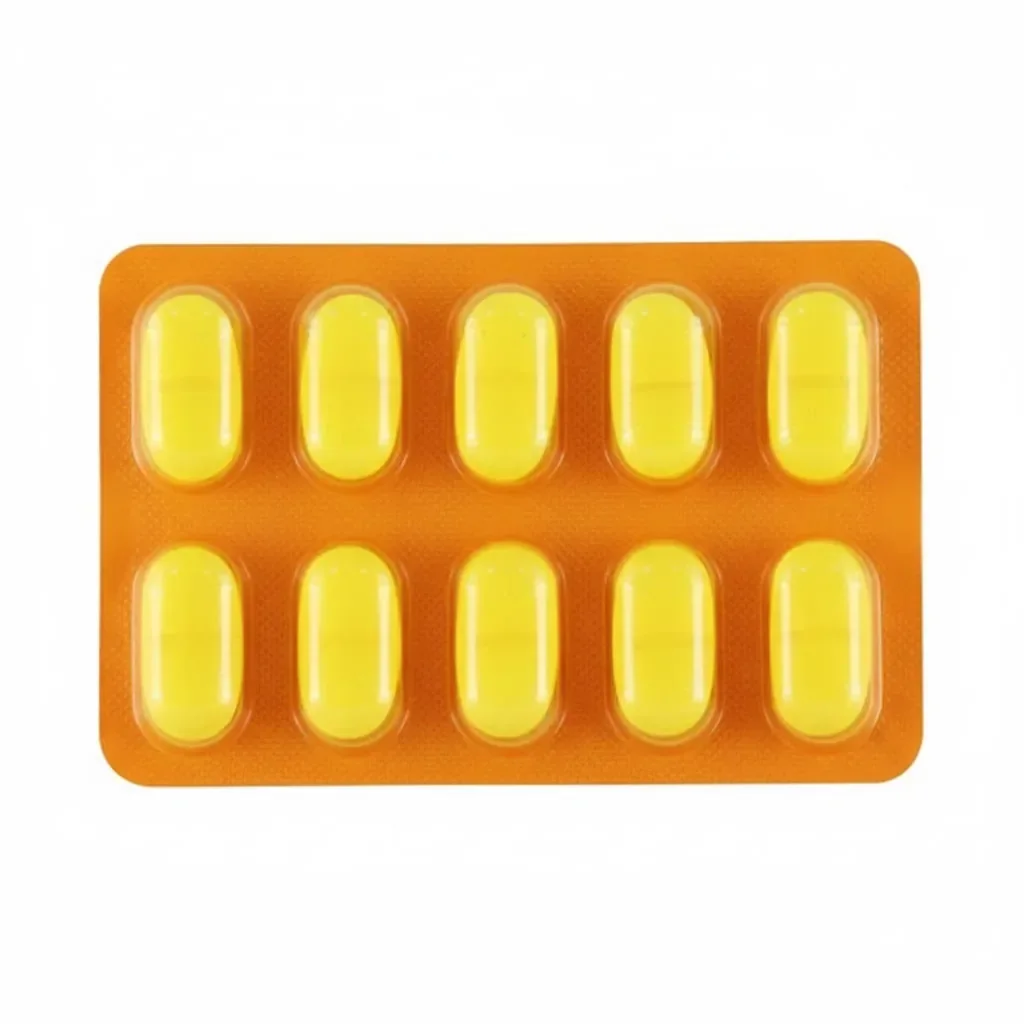
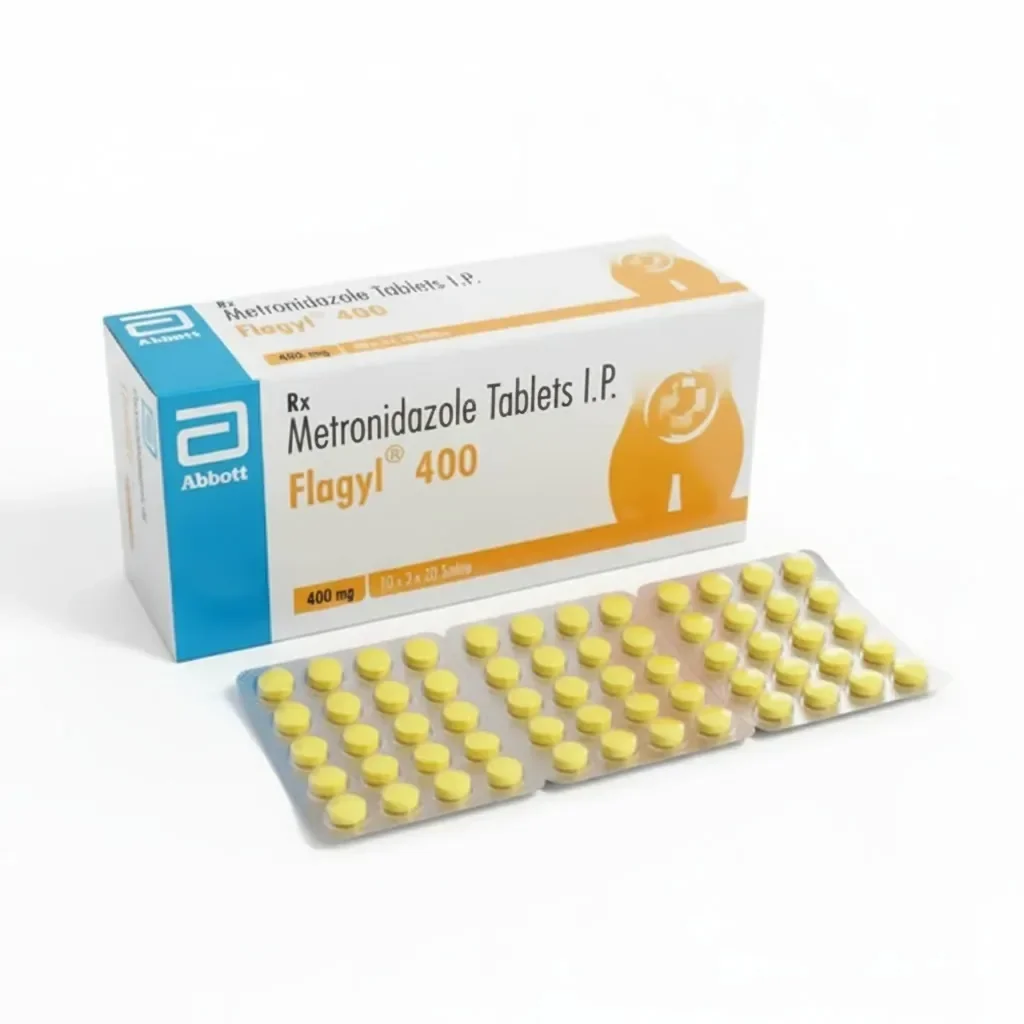
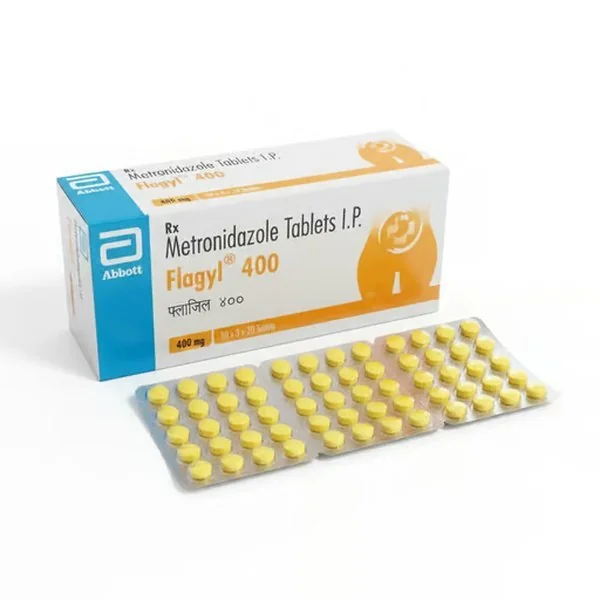
These images are for illustrative purposes only.
Delivery in 10–14+ business days. Restock your aquarium’s medicine shelf before your fish need it. This is for planning ahead, not same-day treatment.
No public checkout. After you place an order, our pharmacy confirms your address and sends a secure payment link. A qualified team member reviews every order for aquarium use before it ships. Your card isn’t charged until you approve the link.
New here? See how our free vet prescription works. You pay only for the medication; a licensed vet must approve it first. A licensed vet reviews every order, with no separate consult fee.
Quick answer: Penicillin for fish, sold as Fish Pen, is a broad-spectrum antibiotic that works mainly on gram-positive bacteria, behind fin rot, tail rot, columnaris, and gill disease. It needs care with scaleless fish and invertebrates (see below). A fish vet should confirm the cause; drug choice and dose are the vet’s call. For aquarium fish only; not for human use.
Not sure of your tank size? Use our free aquarium tank volume calculator to get the true water volume for accurate dosing.
What fish pen is
Fish Pen is the common name for penicillin sold for aquarium fish. Penicillin is a beta-lactam antibiotic, broad-spectrum, but it works mainly against gram-positive bacteria. This product is the same molecule, manufactured and labeled specifically for ornamental fish.
Penicillin vs. amoxicillin for fish: what’s the difference?
People often can’t tell penicillin and amoxicillin apart. And for good reason. Amoxicillin is a semi-synthetic drug derived from penicillin, engineered for a broader reach and better stability.5 So they’re close relatives, not the same drug. In practice, amoxicillin covers a somewhat wider range (including more gram-negative bacteria), while penicillin is more focused on gram-positive infections. Which one fits depends on the confirmed infection. A decision for a vet, not a guess. If you’re weighing the two, our fish amoxicillin (Fish Mox) page covers that molecule.
We are a licensed, vet-staffed pharmacy, not a repackager. Our job is to sell you the right treatment, and to help you use penicillin for the right reason. A vet confirms the cause and the dose. That care is the whole point.
| Active ingredient | Amoxicillin-Clavulanate |
|---|---|
| Strength | 250 mg or 500 mg (Forte) per tablet |
| Count | 30 or 100 tablets |
| Drug class | Penicillin (beta-lactam, gram-positive) |
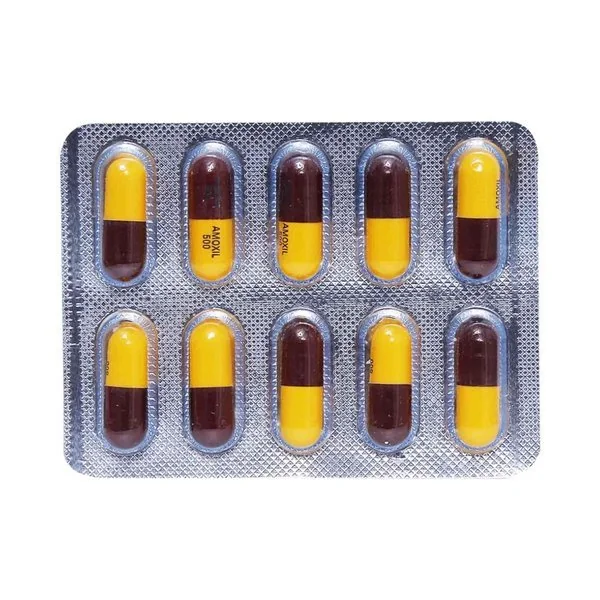
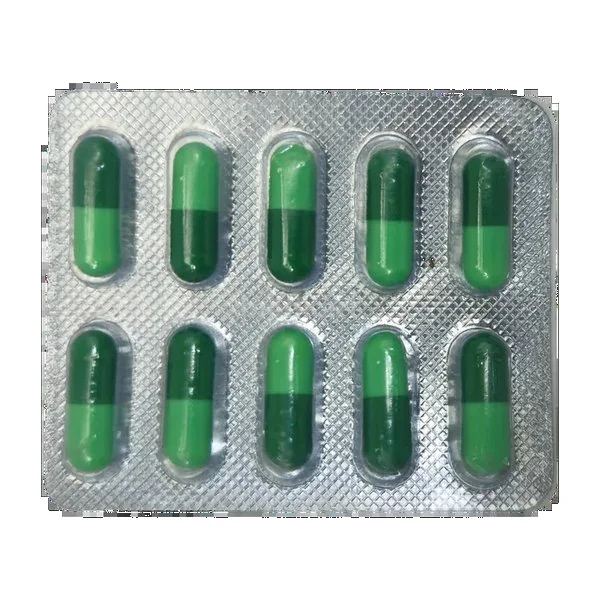
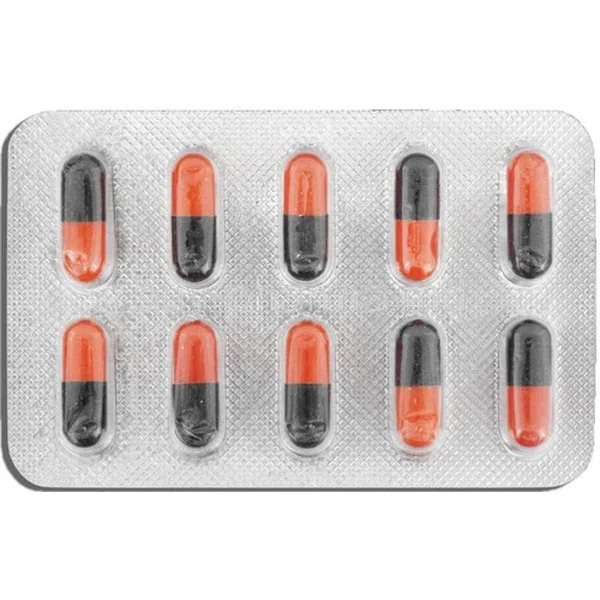
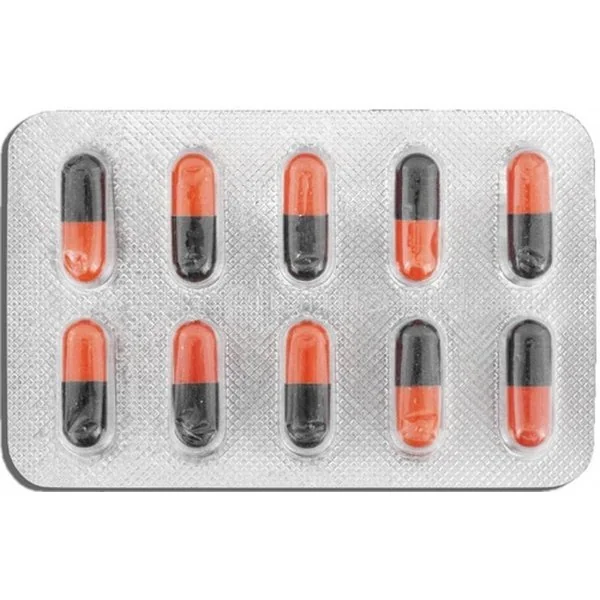
| Form | Capsules sealed in blister packs, open for tank dosing |
| Intended use | Ornamental / aquarium fish only |
| Availability | Over-the-counter for aquarium use only, not for human consumption |
| Delivery to | Free to all 50 US states & Canada, other countries, contact us |
Why blister packs, not a bottle
Each capsule is sealed in its own aluminum foil pocket, backed by foil on both sides. That keeps every dose away from moisture and light until you use it. This matters for penicillin, which is sensitive to moisture.
A bottle is different. Every time you open it, the tablets still inside meet air, light, and humidity again. Sealed pockets also make tampering easy to see, and U.S. regulators count blister packs as tamper-evident. Blister packs cost us more than bulk bottles. The protection is worth it.
What it treats. And what it doesn’t
Where penicillin can help
Penicillin works mainly against gram-positive bacteria.1 Vets use it for the external infections those bacteria cause, fin and tail rot, columnaris (also called cotton-mouth, from Flavobacterium), gill disease, and septicemia.2 When a vet confirms one of these, it can be an effective choice. The drug and dose remain the vet’s decision.
Where it’s the wrong choice
Penicillin doesn’t treat viral, fungal, or parasitic problems, and it’s weaker against the deep gram-negative infections behind many dropsy cases, those often need a fluoroquinolone or aminoglycoside.3 Using it for the wrong problem wastes time a sick fish may not have. A vet should confirm the cause before you treat.
Take extra care with these fish
This is the part many sellers skip. Scaleless fish, catfish, loaches, and similar species, absorb medicine from the water much faster, so antibiotics hit them harder and can cause stress or toxicity.4 The rule aquatic vets use is "start low, go slow." Penicillin can also harm invertebrates, so remove shrimp and snails before dosing, and it may affect your filter’s good bacteria, watch your water and treat in a hospital tank when you can.4 A fish vet should confirm the cause and the safe dose for your species before you treat.
Penicillin for fish: strengths and label rates by tank volume
Penicillin for fish is sold as a 500 mg tablet of Penicillin V Potassium. The same product older keepers knew as Fish Pen, Fish Pen Forte, Aqua Pen, Fin Pen, or Fishbiotic Penicillin (Thomas Labs brand names now discontinued). The quick-reference below scales the manufacturer’s label rate of roughly one 500 mg tablet per 20 gallons to common tank sizes. It is the label rate for planning, not a prescription. Your fish veterinarian sets the actual dose, frequency, and duration, and takes extra care with scaleless species.
| Tank volume | Label rate (penicillin) | 500 mg tablets |
|---|---|---|
| 10 gallons (38 L) | ~250 mg | half (dissolve & split) |
| 20 gallons (76 L) | 500 mg | 1 |
| 40 gallons (151 L) | 1000 mg | 2 |
| 60 gallons (227 L) | 1500 mg | 3 |
| 75 gallons (284 L) | ~1875 mg | ~4 |
Dose by the water volume of your hospital or quarantine tank, not by the number of fish. For tanks under 20 gallons, dissolve a whole tablet in a measured cup of tank water and add the matching share rather than splitting by hand. The bottle label and your aquatic veterinarian always take priority over this quick reference.
Not for human use. This product is for aquarium fish only. It isn’t approved for people. Do you want to know if fish antibiotics are safe for humans? Please read our guidance. Then talk to a doctor. Do not take this product.
How your order is reviewed and shipped
Add the quantity you need to the cart (1–12). Instead of a public checkout, our pharmacy emails you to confirm your delivery address and send a secure payment link. Nothing ships until that review is complete. It is how a vet-staffed operation keeps eyes on every order and confirms it’s intended for appropriate aquarium use. We email you at each step, reserved, confirmed, payment link sent, paid, and shipped. So you never have to sit and refresh a page.
GETTING THE MOST FROM AN ANTIBIOTIC
Antibiotics work on bacterial infections, not viruses — so the first step is simply confirming that’s what your pet has. That’s what the vet review here is for: matching the right antibiotic to the actual problem, at the right dose.
If a course is prescribed, giving all of it as directed — rather than stopping early once your pet looks better — is what fully clears the infection and keeps the medicine working well for next time. You clearly want to do right by your animal; this is just the way to get the best result from it.
Consistent with WHO and CDC guidance on responsible antibiotic use.
Frequently asked questions about penicillin for fish
What does penicillin (Fish Pen) treat in fish?
Mainly gram-positive infections, fin and tail rot, columnaris (cotton-mouth), gill disease, and septicemia. A fish vet should confirm the cause and choose the drug and dose.
Is penicillin or amoxicillin better for fish?
Neither is simply "better." Amoxicillin is derived from penicillin and covers a wider range; penicillin is more focused on gram-positive bacteria. The right choice depends on the confirmed infection, see our Fish Mox page and ask a vet.
Is penicillin safe for catfish, loaches, or scaleless fish?
Use extra caution. Scaleless fish absorb medicine faster and react more strongly, so vets advise "start low, go slow." Confirm a safe dose for your species with a fish vet, and watch closely during treatment.
Will penicillin harm my shrimp, snails, or filter?
It can. Remove invertebrates like shrimp and snails before dosing, and know it may affect your filter’s good bacteria. Treating in a hospital tank is safest.
Is penicillin for fish safe for humans?
No. This product is for ornamental aquarium fish only and isn’t for human use. If you need antibiotics for a person, see a doctor or pharmacist. You can read our guidance on this.
Is Fix Pen the same as Fish Pen, Fish Pen Forte, Aqua Pen, Fin Pen, or Fishbiotic Penicillin?
They are the same idea under current labeling. Fish Pen, Fish Pen Forte, Aqua Pen, and Fishbiotic Penicillin were Thomas Labs brand names for penicillin tablets for aquarium fish; that line is discontinued, and the current product is the same 500 mg Penicillin V Potassium tablet. Fin Pen is a separate brand of fish penicillin from another supplier, dose from the label on the bottle you actually have.
Is there a fish penicillin 250 mg version?
The current tablet is 500 mg. Older listings and other brands offered 250 mg, which is why both strengths show up in search. If you need less than 500 mg, dissolve one tablet in a measured cup of tank water and add the matching share rather than looking for a 250 mg tablet.
Where can I buy penicillin for fish, do Walmart or Tractor Supply sell it?
General retailers like Walmart, Tractor Supply, and PetSmart don’t reliably carry aquarium penicillin. A dedicated vet-staffed pharmacy is the more reliable route, with clear strength labels and fresh stock. You can reserve it here and our pharmacy confirms your order before it ships.
Related guides
Fish dropsy, usually gram-negative, so penicillin is typically NOT the right drug; a vet may choose a fluoroquinolone or aminoglycoside instead.
Fin rot. A common infection penicillin is often chosen for when the cause looks gram-positive, once a vet confirms it.
Columnaris. The cotton-wool disease; penicillin may fit some cases, but it moves fast, so confirm the cause quickly.
Fish popeye. The bulging-eye sign, its causes, and when antibiotics help.
Are fish antibiotics safe for humans?. A clear, no-sales answer.
How we reviewed this page
This product page is prepared under veterinary oversight following our editorial standards. The clinical statements, what penicillin treats, the species-safety cautions, and where it’s not the right choice, are checked against aquatic-veterinary references and reviewed and approved by our named fish veterinarian, Dr. Julia Bauer, before publication.
Sources & References
- Merck Veterinary Manual, “Bacterial Diseases of Fish.” merckvetmanual.com (2024) Supports: gram-negative etiology of common fish infections; sensitivity-guided drug selection.
- MSU / SRAC Publication 478, “Aeromonas Bacterial Infections, Motile Aeromonad Septicemia.” srac.msstate.edu (1998) Supports: aeromonads are gram-negative; exophthalmia and related signs.
- Merck Veterinary Manual, “Antibacterial Agents (Overview of Antimicrobial Therapy).” merckvetmanual.com (2024) Supports: penicillins are gram-positive-dominant beta-lactams; spectrum limits vs gram-negative infections.
- Fine Pet Health, “Penicillin: Handling Sensitive Species, Catfish, Loaches, and Scaleless Fish.” finepethealth.com (2026) Supports: scaleless fish absorb medication faster (start-low-go-slow); invertebrate and filter cautions.
- Kim et al., “Comparative Pharmacological Assessment of Amoxicillin in Five Cultured Fish Species.” NCBI PMC12024054 (2025) Supports: amoxicillin is a semi-synthetic antibiotic derived from natural penicillin with a broader spectrum.